Tire Changer Safety Guide: Is Your Team Using the Equipment Correctly?
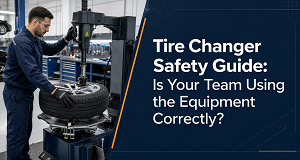
Tire changers improve workshop efficiency, but improper use can damage wheels, cause equipment failure, and put technicians at risk. Following clear safety procedures is essential for every tire shop, garage, and automotive service center.
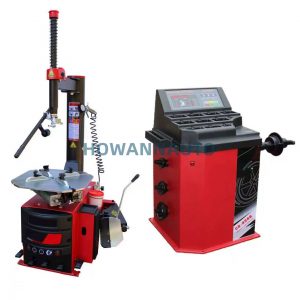
Essential Safety Rules for Tire Changer Operation
Before using a tire changing machine, technicians should inspect the equipment and ensure all components are working correctly. Operators must also receive proper training and understand the manufacturer’s instructions.
Key safety practices include:
- Wear safety glasses, gloves, and non-slip footwear.
- Confirm that the tire size is compatible with the machine.
- Completely deflate the tire before breaking the bead.
- Remove the valve core and verify that no air pressure remains.
- Keep hands away from clamps, bead breakers, and other moving parts.
- Secure the wheel correctly before mounting or demounting.
- Use approved tire lubricant to reduce friction and prevent damage.
- Never exceed the recommended inflation pressure.
Technicians should stop immediately if the wheel shifts, the tire does not seat correctly, or the machine makes an unusual sound.
Common Tire Changer Mistakes
Many accidents result from simple operating errors. Common mistakes include failing to deflate the tire fully, using excessive force, positioning the bead breaker incorrectly, and placing hands too close to moving components.
Another serious mistake is inflating a damaged or incorrectly matched tire and rim assembly. Before inflation, always inspect the tire bead, rim condition, size specifications, and mounting position.
Never allow an untrained employee to operate the machine without supervision.
Routine Maintenance Improves Safety
Regular maintenance helps keep a tire changer safe and reliable. Workshops should:
- Clean the clamps and turntable daily.
- Check air hoses and connections for leaks.
- Inspect protective covers and moving parts.
- Lubricate components according to the maintenance schedule.
- Replace worn mounting heads, pads, and seals promptly.
- Arrange professional servicing when abnormal movement or noise occurs.
Keeping a maintenance record can also help identify recurring issues before they become expensive or dangerous.
Build a Safer Workshop
Tire changer safety depends on proper training, careful operation, and preventive maintenance. A short safety checklist near the machine can remind technicians of the correct procedure and reduce avoidable mistakes.
Is your team using its tire changing equipment correctly? Regular training and equipment inspections are simple investments that protect employees, customers’ wheels, and your business.