Why is a 3D four-wheel alignment system an essential piece of equipment for auto repair shops?
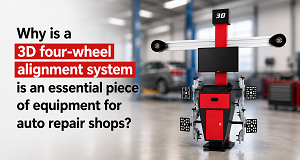
As vehicle technology continues to develop, customers expect faster, more accurate, and more professional repair services. For modern auto repair shops, a 3D four-wheel alignment system is no longer simply an optional upgrade. It is an essential tool for diagnosing wheel alignment problems, improving service quality, and creating new business opportunities.
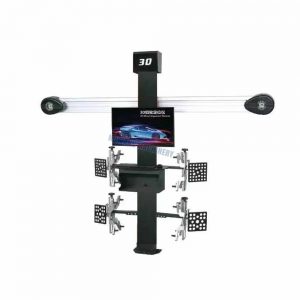
What Is a 3D Four-Wheel Alignment System?
A 3D four-wheel alignment system uses high-resolution cameras, wheel targets, and specialized software to measure the position and angle of all four wheels. It can identify important alignment parameters such as toe, camber, caster, and thrust angle.
Compared with traditional alignment equipment, a 3D system provides measurement results quickly and displays them visually on a computer screen. This helps technicians understand alignment problems and make the necessary adjustments more efficiently.
1. More Accurate Alignment Measurements
Accuracy is one of the main reasons auto repair shops invest in 3D wheel alignment equipment. Even small alignment errors can cause uneven tire wear, poor steering stability, or increased fuel consumption.
A 3D alignment system captures detailed wheel-position data and compares it with the manufacturer’s specifications. Accurate measurements allow technicians to identify problems correctly and avoid unnecessary adjustments.
2. Faster Inspection and Service
Service efficiency directly affects the profitability of an auto repair shop. Traditional wheel alignment methods may require complicated setup and manual measurements.
With a 3D four-wheel alignment system, technicians can install the targets, collect data, and view the results within a short time. Faster inspections allow the shop to serve more vehicles each day while reducing customer waiting times.
3. Clear and Professional Diagnostic Reports
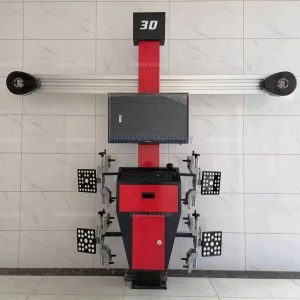
Modern 3D alignment systems can generate visual reports showing alignment values before and after adjustment. Different colors are often used to indicate whether each measurement is within the recommended range.
These reports make technical information easier for customers to understand. When customers can clearly see the alignment problem and the results of the repair, they are more likely to trust the technician’s recommendations.
4. Reduced Tire Wear and Improved Driving Safety
Incorrect wheel alignment can lead to irregular tire wear, steering pull, an off-center steering wheel, and unstable vehicle handling. If these issues are not corrected, drivers may need to replace their tires earlier than expected.
Accurate four-wheel alignment helps tires maintain better contact with the road. It can extend tire service life, improve steering performance, and provide a safer and more comfortable driving experience.
5. Greater Revenue Opportunities
A 3D four-wheel alignment system allows repair shops to expand their service range. Wheel alignment can be offered together with:
- Tire replacement
- Suspension repair
- Steering system maintenance
- Accident repair
- Chassis inspection
- Routine vehicle servicing
By including alignment checks in related services, repair shops can increase the value of each customer visit and develop an additional source of revenue.
6. Stronger Competitiveness for the Repair Shop
Customers are more likely to choose repair shops that use modern equipment and provide transparent service results. A professional 3D wheel alignment system demonstrates that the shop is committed to accuracy, efficiency, and service quality.
It can also help standardize the alignment process, reduce dependence on manual measurement, and support technicians with different levels of experience.
How to Choose the Right 3D Wheel Alignment System
When selecting a system, auto repair shops should consider measurement accuracy, vehicle database coverage, software usability, installation requirements, calibration procedures, technical support, and after-sales service.
The lowest-priced machine is not always the most economical choice. Reliable performance, easy operation, and long-term supplier support are equally important for daily workshop use.
Conclusion
A 3D four-wheel alignment system helps auto repair shops improve measurement accuracy, shorten service times, protect tires, increase customer confidence, and generate additional revenue. For workshops that provide tire, steering, suspension, or chassis services, it is an important investment in both service quality and long-term competitiveness.
Choosing a reliable 3D wheel alignment system can help your shop deliver more professional results and meet the growing expectations of today’s vehicle owners.