
Differences Between Car Tire Changer and Motorcycle Tire Changer
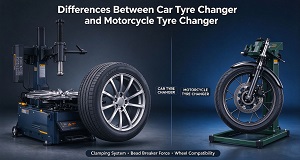
If you run an auto repair shop, motorcycle workshop, or build a home garage, choosing the right tyre changer directly affects service quality, rim safety and work efficiency. Many new buyers wonder whether a car tyre changer can work for motorcycle wheels, or vice versa. While both machines serve the same core purpose — mounting and dismounting tyres from rims — they are engineered for completely different wheel specifications, clamping structures, force control and working scenarios.
In this guide, we break down the key differences between a car tyre changer and a motorcycle tyre changer, helping you pick suitable tyre changing equipment for your business.
1. Designed Wheel Size & Load Capacity
A standard car tyre changer is built for passenger car, SUV and light truck wheels, usually supporting rim diameters from 12 inches up to 24 inches or larger. Car wheels are heavy, wide and thick-walled; the machine’s turntable, bead breaker and main structure are reinforced to deliver strong breakout force for stiff car tyre beads, run-flat tyres and UHP tyres.
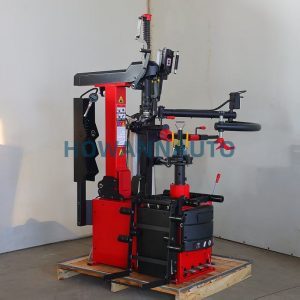
A dedicated motorcycle tyre changer targets smaller, lighter wheels, commonly covering 10–21 inch rims for sport bikes, cruisers, adventure bikes and even ATV wheels. Motorcycle rims are narrow, lightweight and often spoked. The whole frame is compact and does not need massive clamping torque, because overforce will easily bend alloy rims or scratch rim paint.
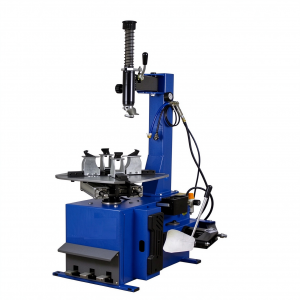
Core point: Car tyre changers handle bigger, heavier loads; motorcycle tyre changers focus on small-diameter, delicate wheels.
2. Clamping & Turntable System
This is one of the most important technical differences.
Car tyre changers use outer-jaw clamping, grabbing the outer edge of the rim flange on the turntable. The jaws are large, wide-opening and high-torque, made to hold heavy steel and alloy car rims steadily during bead breaking and tyre demounting.
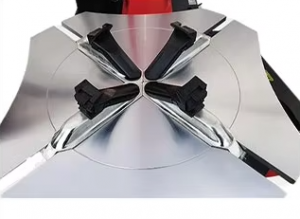
Motorcycle tyre changers adopt specially designed narrow, adjustable jaws or centre clamping adapters. Many motorcycle wheels have deep hubs, brake rotors and spoked structures that block standard outer clamps. Its four raised small jaws can lock the inner rim safely without touching brake discs or spokes. Some motorcycle tyre changers also come with nylon protective covers on jaws to prevent rim scuffs.
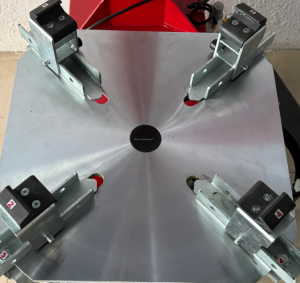
A regular car tyre changer cannot grip tiny motorcycle rims securely. Even with extra adapters, mis-centring and rim damage risks stay high.
3. Bead Breaker Force & Precision Control
Car tyres have tough, thick beads that need powerful, fast bead breakers. Most auto tyre changers use pneumatic bead breaker arms with high pushing force to separate the tyre bead from the rim quickly.
Motorcycle tyre beads are thinner and more sensitive. Motorcycle tyre changers use lower, controllable bead breaking pressure. Too much sudden force from a car tyre changer’s bead shovel can crack the rim seal, deform lightweight alloy rims or pinch the inner tube (for tubed motorcycle tyres). Precision and gentle operation are prioritised over raw power for motorcycle service.
4. Mounting Head & Auxiliary Arms
Car tyre changers are fitted with large mounting/demounting heads plus helper arms for stiff run-flat and low-profile tyres. The swing arm and tilt-back post are built for wide tyre sidewalls.
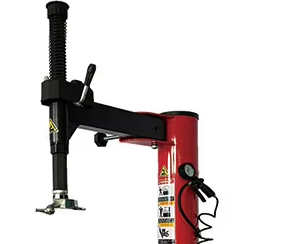
Motorcycle tyre changers have slim, narrow mounting heads with rim protectors. The working stroke is shorter to fit the tight gap between narrow motorcycle rims and tyre sidewalls. Manual motorcycle tyre changers often use simple lever bars instead of heavy pneumatic assist arms, which fits the low-volume home and small motorcycle shop use case.
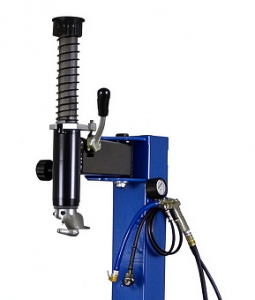
5. Structure, Footprint & Operation Type
Commercial car tyre changers are heavy, large floor machines with air-powered turntables and bead breakers. They need a dedicated workshop area, stable air compressor and solid ground mounting.
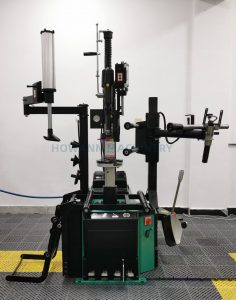
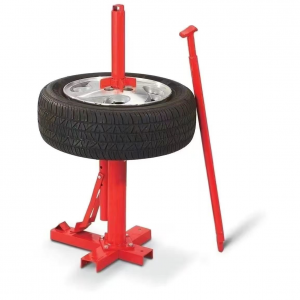
Motorcycle tyre changers have two main versions: fully pneumatic professional models and low-cost manual portable units. They take up far less floor space. Manual motorcycle tyre changers are popular for home bikers, mobile service and small powersports shops that only occasionally change bike tyres.
6. Can You Use One Tyre Changer for Both?
This is our most frequently asked question.
A standard car tyre changer is not recommended for regular motorcycle tyre service. Adapters exist, but they cannot solve the fundamental risk of excessive clamping force and oversized jaws. For high-value sportbike alloy rims, one slip can lead to expensive rim damage and customer complaints.
On the other hand, a motorcycle tyre changer cannot handle car tyres at all. Its frame, clamps and bead breaker lack the strength to break heavy car tyre beads and hold heavy car wheels. Trying it will damage the machine and create safety hazards for operators.
If your shop serves both cars and motorcycles, the best solution is to own separate dedicated machines.
Quick Comparison Table
表格
| Feature | Car Tyre Changer | Motorcycle Tyre Changer |
|---|---|---|
| Target Rim Size | 12–24+ inches | 10–21 inches |
| Clamping Style | Outer flange large jaws | Small inner/centre clamps, spoke-friendly |
| Bead Breaking Force | High pneumatic force | Low, controlled gentle force |
| Best For | Cars, SUV, light trucks, run-flat tyres | Motorcycles, ATV, small powersports |
| Risk of Rim Damage | Low for car rims | Low for delicate bike rims; high if used on cars |
| Footprint & Weight | Large, heavy | Compact, lightweight (manual options available) |
Final Thoughts
Car tyre changers and motorcycle tyre changers look similar at first glance, but they are specialised garage equipment built for different wheel engineering standards. Choosing the correct tyre changer protects rims, speeds up your workflow and reduces service claims.
For auto repair shops focusing on passenger vehicles, invest in a heavy-duty car tyre changer. For motorcycle repair workshops, powersports dealers and home riders, a dedicated motorcycle tyre changer delivers safer, more reliable tyre mounting results.
If you are shopping for garage tyre service equipment, contact our team to explore our full range of car tyre changers, motorcycle tyre changers and matching wheel balancers.