
Post-Purchase Maintenance Tips for Your Garage Equipment
Post-Purchase Maintenance Tips for Your Garage Equipment
Investing in quality garage equipment is only the first step. Without proper maintenance, even the best hydraulic lift, tire balancer, or wheel aligner will lose accuracy, suffer premature wear, and eventually cost you far more than routine care would have. Here‘s how to protect your investment and keep your shop running efficiently.
Follow the Manufacturer’s Schedule
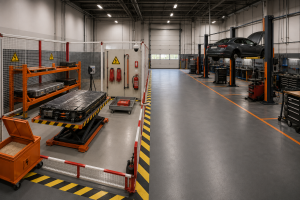
Every piece of equipment comes with a recommended maintenance schedule. Daily checks, monthly inspections, and annual servicing are not suggestions—they are requirements for safe operation and warranty compliance. Post the schedule near each machine so your team can‘t miss it.
Daily Checks Matter Most
Simple daily habits prevent most major breakdowns:
-
Inspect hydraulic hoses and fittings for leaks or wear
-
Check lift locks and safety mechanisms before each use
-
Clean balancer shafts and mounting cones after every tire service
-
Verify alignment sensor calibration has not drifted
-
Look for loose bolts, unusual noises, or fluid residue
These checks take minutes but catch problems before they become expensive repairs.
Keep It Clean
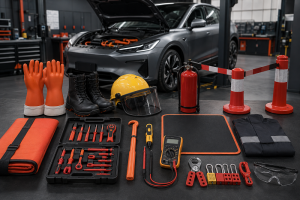
Dirt, brake dust, and metal shavings are silent killers of precision equipment. Wipe down surfaces after each use, vacuum or blow out sensitive areas, and never let debris accumulate on sliding surfaces or threaded rods. A clean machine runs cooler, lasts longer, and produces more accurate results.
Lubricate According to Spec
Hydraulic lifts, tire changers, and balancers all have specific lubrication points. Use only the lubricants recommended by the manufacturer—wrong grease can attract dust or degrade seals. Apply consistently and document each service.
Hydraulic System Care
Hydraulic equipment deserves extra attention:
-
Check fluid levels weekly and top off with the correct grade
-
Inspect for leaks around cylinders, valves, and connections
-
Replace hydraulic fluid at the recommended interval, not just when it looks dirty
-
Bleed air from the system if you notice spongy or inconsistent operation
Calibration and Accuracy Checks
Balancers, aligners, and diagnostic equipment drift over time. Schedule regular calibration checks—monthly for high-volume shops, quarterly for lower-volume operations. Document results so you can spot trends before accuracy falls outside acceptable limits.
Train Your Team
Equipment fails most often because of operator error or neglect. Train every technician on proper use, daily checks, and what to do when something seems wrong. A team that understands the equipment takes better care of it.
Keep Records
Maintain a log for each machine: service dates, parts replaced, calibration results, and any issues reported. Good records help you spot recurring problems, prove warranty compliance, and make smarter decisions about repair versus replacement.
When to Call a Professional
Some tasks—hydraulic system repairs, major calibration, structural inspections—should only be handled by qualified service technicians. Attempting complex repairs yourself can void warranties and create serious safety hazards.
The Bottom Line
Post-purchase maintenance is not a cost—it‘s an investment in uptime, accuracy, and safety. Shops that follow manufacturer schedules, perform daily checks, and keep detailed records get years of reliable service from their equipment. Those that don’t pay for it in downtime, comebacks, and premature replacements.
Protect your equipment, and it will protect your business.